

IAQ in Humid Climates: How Savannah Homes Fight Mold and Allergens
 With summer nearing its halfway point, things are still heating up here in the Savannah area, and that means more work for your home’s AC. Your home’s air conditioning system still has several months of hard work ahead of it before it’s going to get any opportunity for rest, and that means more risk of something going wrong with your system. During this period of heavy use is the most likely time for something to go wrong with your system, but unfortunately it isn’t always immediately obvious when this is the case. To help give you a better idea of when is the right time to make the call for air conditioning repairs, our team of skilled Savannah HVAC contractors have taken the time to put together this handy list for your reading convenience.
If you live in Savannah, GA, you know the air can feel thick after a summer storm. That same moisture creeps into houses from Ardsley Park to Wilmington Island, feeding mold and stirring up allergies. This guide explains how indoor air quality affects your comfort and health, and how professional solutions like filtration, ventilation, and dehumidification keep your air safer. For a deep dive into options and testing, explore our indoor air quality services.
Why Indoor Air Quality in Savannah Is Different
Coastal humidity, frequent rain, and salt air create a perfect backdrop for mold and dust mites. Older crawlspace homes and shaded lots near marshes trap moisture, while spring oak and pine pollen spike allergy symptoms. The result is a home that feels muggy, smells musty, and makes sensitive noses react.
Air quality is not just about smell or comfort. It affects sleep, asthma, skin, and even how clean your home stays. In Savannah’s climate, your HVAC system needs to manage both temperature and moisture, or the air will feel heavy even when the thermostat reads 72.
Mold And Allergens: How Humidity Makes Them Thrive
Mold acts like a sponge. Give it moisture and a little dust, and it spreads on drywall, in closets, and around supply vents. Dust mites also love warm, damp air and can aggravate allergies.
Common Signs You’re Breathing Problem Air
- Windows or ducts sweating, especially during late afternoon thunderstorms
- Persistent musty odor in closets, bathrooms, or near the air handler
- Morning congestion, itchy eyes, or more sneezing at home than outdoors
- Visible spots on supply registers or around bathroom ceilings
When you notice these, the fix is not a stronger fragrance or a single portable purifier. It is a plan that balances filtration, ventilation, and moisture control for the whole house.
Dehumidification in Savannah: What Works
Air conditioning removes some moisture while cooling. But during shoulder seasons or at night when temperatures drop, the AC may not run long enough to dry the air. That is when a dedicated whole-home dehumidifier becomes the quiet workhorse for Savannah homes.
How Pros Tackle Dehumidification
- Right-size a whole-home dehumidifier to your square footage and building tightness
- Integrate controls so the system targets humidity, not just temperature
- Address duct leaks or crawlspace moisture that keeps RH elevated
With a professional setup, dehumidification in Savannah homes adds steady comfort. Bedrooms feel cooler at night, closets stay fresher, and your HVAC breathes easier. If you want to compare options that pair with filtration and purification, see our page on air cleaners for whole-home solutions that capture particles while moisture is controlled.
Filtration That Fits: MERV vs HEPA For Homes
You will see both MERV and HEPA used to describe filters. MERV is a scale that rates how well a filter captures different particle sizes. HEPA is a specific standard known for very high capture efficiency, often used in medical or clean-room settings.
Here is the practical breakdown for Savannah homeowners:
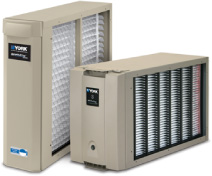
Choose the highest MERV your system is designed to handle. Many homes can support quality media filters in the MERV 11–13 range, which help reduce pollen, mold spores, and fine dust without starving your blower for air. HEPA is excellent, but a true HEPA filter is typically too restrictive for a standard residential air handler unless it is part of a separate, purpose-built unit.
Pair filtration with humidity control for real relief. Filters catch particles. Dehumidifiers remove the moisture that helps biological allergens thrive. Together, they go further than either one alone.
If you want more background before you decide, this post from our archive covers the basics in plain language: the importance of improving indoor air quality.
Ventilation, Ducts, And Clean Airflow
Fresh air matters, yet simply opening windows is not always possible in the Savannah heat or during high pollen days. Balanced ventilation and tight, clean ductwork move air the way it should.
What Often Goes Wrong
Leaky return ducts can pull humid, dusty air from attics or crawlspaces. Supply leaks push conditioned air into walls instead of rooms. Both issues raise RH, spread contaminants, and make the system run longer for the same result.
Clean ducts and sealed joints support everything else you do for IAQ. When ducts are clean and tight, filtration works better, humidity targets are easier to reach, and rooms feel evenly comfortable. For a focused look at how dirty ducts affect air, read Are My Dirty Ducts Really Affecting My Air Quality?
Room Purifiers, UV Lights, And When To Add Extras
Portable HEPA purifiers can help in bedrooms or nurseries, especially for severe allergies. UV lights inside the air handler can reduce microbial growth on coils in muggy conditions. These are add-ons, not replacements for proper filtration and humidity control.
Think of your home like a team: filtration catches particles, dehumidification sets the stage for comfort, ventilation brings in controlled fresh air, and UV or room units play specific roles when needed. The right combination depends on your home’s age, duct layout, and where you live, whether that is the Isle of Hope, Tybee Island, or Garden City.
Putting It All Together For Savannah Homes
Success starts with a proper evaluation of airflow, duct condition, and indoor RH. From there, your plan might include a media filter in the MERV 11–13 range, a whole-home dehumidifier, and targeted ventilation adjustments. In coastal humidity, this layered approach gives you the best shot at breathing easier in every season.
When you are ready to explore solutions, our team at Westberry Heating & Air Conditioning is here to help size equipment, verify system compatibility, and ensure each piece works together. You can also browse our full lineup of IAQ options and testing through our whole-home indoor air quality solutions.
Local Scenarios We See All The Time
Historic District Apartments With High Ceilings
Tall ceilings and plaster walls trap heat and moisture high up, leaving bedrooms clammy. A dehumidifier integrated with the central system keeps RH in check even when the thermostat setpoint is modest. Filtration tuned to pollen season helps when oak and pine bloom along the squares.
Southside And Georgetown Homes Near Marsh Edges
Shaded lots and crawlspaces can load the return air with dampness. Sealed returns and a steady humidity setpoint reduce the musty odor that creeps into closets. A room HEPA unit may help for sensitive sleepers, but the foundation of comfort is whole-home moisture control.
Smart Maintenance Without Guesswork
Do not oversize filters or DIY system changes. A filter that is too restrictive can choke airflow and hurt performance. It is safer to let a pro confirm the highest MERV your blower and ductwork can handle, then set a replacement schedule matched to your home and season.
Regular tune-ups catch issues like low airflow, dirty coils, or leaky ducts that quietly undo your air quality efforts. If you are weighing add-ons, our team can show how they fit your system and goals, from media air cleaners to humidity control tools.
Your Next Step
Ready to breathe easier through Savannah’s sticky season and pollen bursts? Talk with Westberry Heating & Air Conditioning about testing, right-sized filtration, and dehumidification that fits your home. You can start by reviewing our service details for indoor air quality services or by calling 912-232-3800 to schedule a visit.
If you want more reading while you plan, this quick piece highlights spooky IAQ facts that surprise many homeowners: indoor air quality facts everyone should know. And when you are ready to compare options in one place, explore our IAQ product lineup here: indoor air quality products.
For homeowners looking to make a long-term plan, you can also learn how a whole-home humidifier improves comfort during Savannah’s dry winter spells in this post: benefits of a humidifier. When you need a trusted AC & heating company in Savannah, GA, our team is ready to help.