



Duct Cleaning vs. Duct Sealing: What’s the Difference and When Each Makes Sense
 Coastal humidity, spring pollen, and older crawlspace homes around Savannah can make your ducts work harder than you think. If you’re weighing duct cleaning in Savannah against sealing, this guide shows what sets them apart and how to pick the right fix for your home.
Both services improve airflow and comfort, but they solve different problems. Cleaning targets dust and debris inside the ductwork. Sealing targets air leaks at seams, joints, and connections. Choose based on symptoms, not guesswork.
What Duct Cleaning Includes and When It Helps
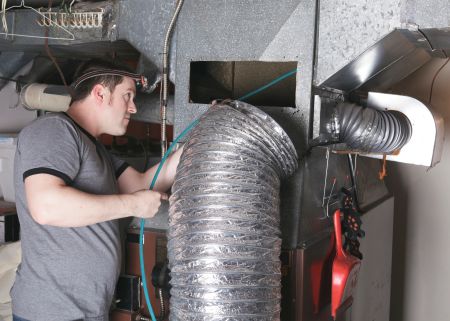
Duct cleaning is a deep, source-removal process for the air distribution system. Trained technicians connect a negative-air machine to pull contaminants out while using rotary brushes and compressed-air tools to dislodge buildup inside the ducts.
- Best for visible dust puffs from vents, stale or musty odors, or debris after renovation.
- Helpful when allergy flare-ups track with heavy oak pollen or when pets shed year-round.
Cleaning can reduce particles in the air you breathe and take stress off your HVAC system. It won’t fix leaks, pressure imbalances, or comfort problems caused by gaps and disconnected runs.
What Duct Sealing Includes and When It Helps
Duct sealing closes holes and seams so conditioned air stays inside the ducts from the air handler to each room. Pros use mastic and mesh, metal-backed tape, or approved internal sealants after testing where leakage occurs.
Sealing improves efficiency, temperature balance, and humidity control. It’s the right move if certain rooms run warmer in summer or you notice whistling, drafty returns, or high dust near gaps at boots and plenums.
Cleaning vs. Sealing: The Key Differences
Think of cleaning as washing the inside of a straw and sealing as patching holes in it. Both matter, but the starting point depends on your symptoms.
- Cleaning removes dust, pet hair, construction debris, and some microbial residue from interior surfaces.
- Sealing stops air loss that drives up energy use and pulls in attic or crawlspace air.
- Cleaning improves air quality and can help with allergies; sealing improves comfort and efficiency.
- Cleaning targets what’s inside the ducts; sealing targets what’s escaping the ducts.
When Duct Cleaning Makes Sense
Homes near tree-lined streets in Ardsley Park, Midtown, and The Landings see heavy spring pollen that settles in returns. After a remodel in a Victorian downtown, fine dust can lodge in flex runs and elbows. If you spot dust bursts when supply vents kick on, cleaning is likely step one. Pairing cleaning with a filter upgrade and an indoor air quality check keeps buildup from returning.
Coastal moisture can also leave a musty odor, especially in crawlspace homes across Wilmington Island and Thunderbolt. Cleaning addresses the residue inside the ductwork, while your tech also evaluates humidity sources so the problem doesn’t come back.
When Duct Sealing Makes Sense
Rooms over garages in Pooler or bonus spaces with long duct runs often struggle to stay cool in August. If you feel weak airflow at far vents or see dust streaks around supply grilles, leaks are likely pulling in attic air and reducing delivered airflow. Sealing those joints helps your system hit target temperatures without running longer.
Sealing is also smart if energy bills rise even though your thermostat settings haven’t changed. By keeping supply air in the ducts and return air out of unconditioned spaces, sealing stabilizes both comfort and humidity.
How Pros Decide: Testing Before Doing
The right sequence starts with inspection and measurement. A qualified technician documents duct material and layout, checks the air handler and filter cabinet, and looks for visible gaps or crushed runs. Then they may perform pressure-based testing and camera inspection to confirm where losses and buildup exist.
With data in hand, your technician recommends a plan. For example, light debris plus major leakage calls for sealing first to protect the system, then targeted cleaning where needed. Heavy debris with sound duct joints calls for cleaning first, then a follow-up check to confirm airflow.
In Savannah’s humid climate, even small return leaks can pull damp crawlspace air into your system. That extra moisture makes cooling feel sluggish and can leave a faint musty smell. Fixing leakage before peak summer helps the whole home feel more even and reduces strain on your equipment.
What You Can Expect From Professional Service
Reputable teams protect floors, seal off each register, and use the right tools for metal, flex, or fiberboard ducts. They clean or seal in sections to control airflow and verify progress as they go. Afterward, you should notice steadier temperatures, quieter air movement, and fewer dust cycles on surfaces.
Ask for photo documentation from inside the ducts and written results for any leakage reduction. That way, improvements aren’t just a feeling; they’re recorded for your records and for future service visits.
Local Factors that Shape the Right Choice
Our area’s salty air and summer storms can push fine particles into attics and crawlspaces. Historic homes downtown may have long, winding duct paths, while newer builds around Richmond Hill often use flex duct routed through tight trusses. Those differences change where leaks form and where debris settles.
Spring pollen spikes can load up returns faster than most homeowners expect. If your filter clogs quickly or you notice dust cycling every few days, testing helps decide whether sealing, cleaning, or both will give you the biggest win.
Avoid These Common Mistakes
- Don’t assume cleaning will fix hot and cold spots. If the duct is leaking, you can have spotless surfaces and still lose airflow to the attic. Get testing so the plan targets the cause, not just the symptom.
- Don’t ignore the return side. Leaky returns can draw in attic or crawlspace air that carries moisture and odors. Sealing these paths is just as important as sealing supplies.
- Skip temporary tapes that aren’t rated for ducts. They dry out and fail in summer heat. Professional-grade mastic and metal-backed tape are designed for long-term performance.
Cleaning and Sealing Together: A Smart Sequence
Sometimes the best answer is a phased approach. If your system is dusty and leaky, sealing first can prevent fresh debris from being pulled in after a cleaning. In other homes, heavy post-construction dust blocks flow so badly that cleaning must come first to get accurate pressure readings for sealing.
Either way, your technician should explain the order of operations, the expected results, and how they’ll verify success when the job is done.
Why Choose Westberry Heating & Air Conditioning for Your Home
From midtown bungalows to island homes, our team has worked in duct systems across the Savannah area. As a local hvac company, we combine careful testing with solutions that match your home’s layout and our climate. We’ll confirm the problem, explain your options, and stand behind the work so you feel the difference every day.
If cleaning is the right move, we’ll outline the steps and show before-and-after images. If sealing will deliver better results, we’ll document leakage and verify improvements when we’re done. You’ll know exactly why we recommend each step.
Your Next Step
Ready for cleaner air and steadier comfort? Call Westberry Heating & Air Conditioning at (912) 232-3800 to schedule a duct inspection that pinpoints whether cleaning, sealing, or both will help your home. For a deeper look at what’s included, see our page on professional duct cleaning, then book your visit today.